
Why more Irish homeowners are pairing infrared heating panels with solar generation and battery storage — and how the numbers stack up.
Is Infrared Heating with Solar a Viable Alternative to a Heat Pump in Ireland?
For years, Irish homeowners have been told that an air-to-water heat pump is the only route to low heating running costs.
Today, that is no longer the only option worth considering.
By combining long-life infrared heating panels with solar photovoltaic (PV) panels and battery storage, homeowners can build an integrated energy system that is simple, reliable, low maintenance, and designed to reduce electricity costs over the long term.
Rather than focusing solely on how heat is produced, many homeowners are now asking a different question: how can electricity be generated, stored and used more efficiently throughout the day?
How Does the Cost of Infrared Heating + Solar + Battery Compare to a Heat Pump?
For many new-build homes in Ireland, the installed cost of a premium infrared heating system combined with a quality solar PV system and battery storage can be comparable to the cost of installing a complete air-to-water heat pump system — excluding grants, and depending on house size and specification.
Rather than concentrating most of the budget into mechanical heating equipment, homeowners can instead invest across several areas:
- German-manufactured infrared heating panels
- Solar PV generation capacity
- Home battery storage
- Smart energy management technology
- Better insulation and building fabric
The result is a home that produces more of its own electricity, with a heating system that has very few moving parts and minimal ongoing maintenance requirements.
How Solar PV Reduces the Running Costs of Infrared Heating
Solar panels generate electricity throughout the day. Rather than exporting all of this energy to the grid, homeowners can use it directly to power:
- Infrared heating panels
- Domestic hot water production
- Household appliances
- Electric vehicle charging
- Home battery charging
Every unit of electricity generated on your roof is one less unit purchased from your electricity supplier. This is the foundation of the infrared and solar combination — your roof becomes part of your heating system.
How Battery Storage Works with Infrared Heating
One of the most significant developments in residential energy in recent years has been affordable home battery storage.
A home battery allows homeowners to:
- Store excess daytime solar generation for use later
- Charge overnight using lower-cost electricity tariffs
- Use stored electricity during more expensive daytime and evening periods
- Reduce dependence on peak-rate grid electricity
It is worth being precise here: a battery does not increase the amount of heat your infrared panels produce per unit of electricity — that is not how batteries work. What a battery does is shift when you consume electricity, allowing you to use cheaper solar-generated or off-peak electricity rather than more expensive grid electricity at peak times. This is particularly valuable with Ireland’s growing range of smart and dynamic electricity tariffs.

Does Solar PV Work in the Irish Climate?
A common misconception is that solar panels are only worthwhile in sunny climates.
A properly designed solar PV system generates electricity throughout the year in Ireland. During summer months, solar production often exceeds household demand. Many electricity suppliers now offer a Clean Export Guarantee (CEG), which is a feed-in tariff that allows homeowners to receive payment for surplus electricity exported to the national grid. These credits can help offset electricity bills across the full year, though the exact value depends on your chosen supplier and tariff.
Can Solar PV Also Heat Domestic Hot Water?
Yes. A solar PV system is not limited to space heating. It can also contribute to:
- Heating domestic hot water
- Running immersion heaters during periods of excess solar generation
- Reducing hot water running costs throughout the year
This allows a single renewable electricity source to support multiple elements of the home’s energy use.
Why Infrared Heating Is Well Suited to a Solar and Battery System
Infrared heating panels contain no compressors, no refrigerant gases, no circulating pumps, no outdoor units, no water pipes, and no annual servicing requirements.
Instead, an infrared panel becomes one component in a wider smart electrical system: solar panels generate electricity, batteries store it, and infrared panels convert it directly into comfortable radiant heat. The system as a whole is straightforward to manage and has very few components that can fail or require replacement.
How Long Do Infrared Heating Panels, Solar Panels and Batteries Last?
At Infrared Heating Ireland, our Sunlife One infrared heating panels are manufactured in Germany using nickel heating conductors with high-quality insulation materials. They are designed for an expected service life of more than 35 years.
Modern solar panels commonly carry performance warranties of around 25 years. Many lithium iron phosphate (LiFePO₄) batteries are engineered for thousands of charge and discharge cycles — often in the region of 10,000 cycles, depending on the manufacturer and operating conditions.
The combination is an energy system designed with long-term ownership in mind.
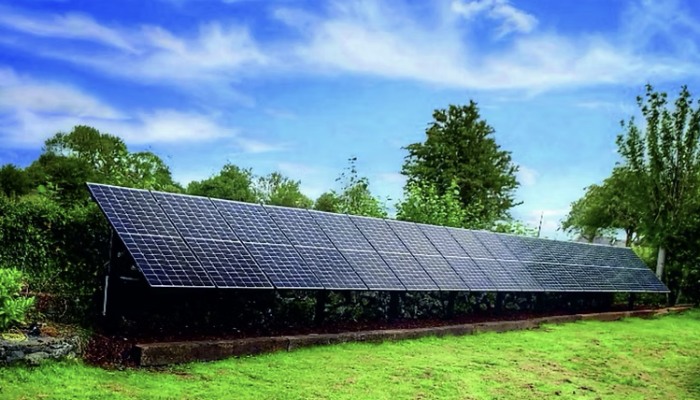
Real Irish Example: Annual Electricity Costs in a 160 m² Home
One of our customers has combined infrared heating, solar PV, battery storage and smart electricity tariffs in a modern 160 m² home in Ireland.
By using solar generation during the day, charging the battery strategically at lower-cost overnight rates, and heating domestic hot water on off-peak electricity, this household achieved total annual electricity costs of approximately €1,500.
That figure covers everything: space heating, hot water, lighting, appliances and general household electricity use.
Actual costs will vary depending on home size, insulation levels, occupancy patterns and the electricity tariffs available. However, this example illustrates what a well-designed integrated energy system can deliver in practice.
Why Choosing an Experienced Infrared Heating Specialist Matters
Since 2010, Infrared Heating Ireland has specialised exclusively in infrared heating systems. We do not simply supply panels.
Our process for every customer includes:
- Calculating heat losses for each room
- Correctly sizing panels for each space
- Estimating annual electricity consumption
- Explaining how insulation levels affect running costs
- Advising on how infrared heating integrates with solar PV, battery storage and smart tariffs
Our aim is to provide factual, transparent information so that every customer can make an informed decision based on their own home, lifestyle and budget.
Frequently Asked Questions
Is infrared heating cheaper to run than a heat pump in Ireland?
Running costs depend on several factors, including home insulation, electricity tariffs, and whether you have solar PV and battery storage. A heat pump produces more heat per unit of electricity (expressed as its coefficient of performance, or COP). However, an infrared system combined with solar generation and battery storage can achieve competitive running costs by using self-generated or lower-cost electricity. Both approaches should be evaluated as complete energy systems rather than as individual appliances.
Can I use infrared heating panels with solar panels?
Yes. Infrared heating panels run on electricity and can be powered directly by solar PV generation. Any surplus electricity can be stored in a home battery for use during evenings or overnight. This combination is increasingly popular in Irish new builds and retrofits.
Do I need battery storage with infrared heating and solar?
Battery storage is not strictly required, but it significantly improves the economics of the system by allowing you to use your solar generation during evening hours when panels are not producing, and to charge overnight on lower-cost electricity tariffs.
How much does an infrared heating system with solar and battery cost in Ireland?
The installed cost varies depending on house size, panel specification, battery capacity and solar system size. For many new-build homes, the total investment can be comparable to a full air-to-water heat pump installation. Contact Infrared Heating Ireland for a detailed assessment tailored to your home.
What is the lifespan of infrared heating panels?
The Sunlife One panels supplied by Infrared Heating Ireland are German-manufactured and designed for a service life of more than 35 years under normal operating conditions.
Does infrared heating work in a poorly insulated home?
Insulation has a significant impact on the running costs of any heating system, including infrared. Better-insulated homes require less energy to maintain comfortable temperatures. As part of our assessment process, we explain how your home’s insulation level will affect infrared performance and running costs.
What is a Clean Export Guarantee (CEG) in Ireland?
The Clean Export Guarantee is a payment scheme operated by electricity suppliers in Ireland that compensates homeowners for surplus solar electricity exported to the national grid. The rate varies by supplier. This income can help offset annual electricity bills for households with solar PV systems.